
Stop and Smell the Roses: A Simple Practice for Your Brain
"Stop and smell the roses" may be more than just a saying.
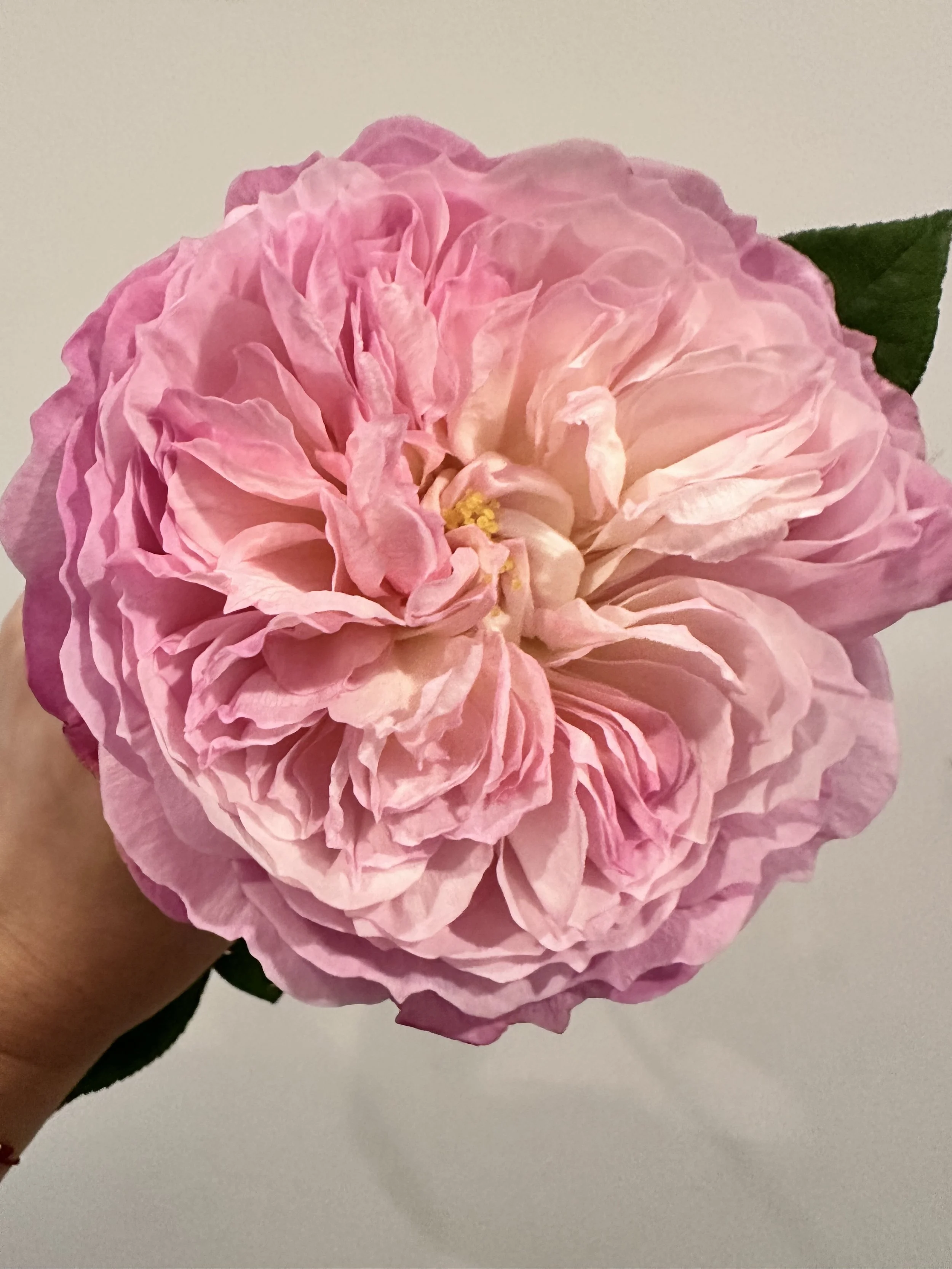
Highly fragrant garden rose Constance™ by David Austin.
Our sense of smell has a direct connection to areas of the brain involved in memory, learning, and emotion. This is why a familiar fragrance can instantly bring back a vivid memory or transport us to a specific moment in time.
Research suggests that rose fragrance may offer benefits beyond simple enjoyment. Studies have found that regular exposure to rose essential oil may support brain health by stimulating areas associated with memory and learning. Other research indicates that exposure to a variety of fragrances during sleep can enhance memory processing and cognitive performance in older adults.
Rose scent is also commonly used in aromatherapy and dementia care settings to promote a sense of calm, improve focus, and reduce feelings of anxiety.
At Rose Import LAB™, we believe that taking a moment to smell your garden rose is an invitation to slow down and pay attention.
Notice how the fragrance changes throughout the day. A rose's scent is influenced by temperature, humidity, and its stage of bloom. Many garden roses release their most complex fragrance as they open, creating a sensory experience that evolves over time.
As part of the Bloom Study, we encourage you to pause for a few moments each day and observe your rose with all of your senses.
What memories does the fragrance bring to mind? How does it make you feel? Does the scent change as the bloom unfolds?
By slowing down to notice the changing life of a rose, we may also discover new ways to care for our own wellbeing.
The Bloom Study is an educational and wellness-oriented experience designed to encourage observation and reflection. It is not therapy, counseling, or medical treatment.
The information provided is for educational purposes only and is not intended as medical advice, diagnosis, or treatment.
