

Where New Roses Begin
In the mountains of Montebello, Antioquia, Rose Import LAB™, is building a living educational laboratory where student follow the creation of a new Colombian rose variety while learning specialty coffee, regenerative agriculture and international trade.
The Colombia Farm Project
Building toward the next generation of roses, coffee, and botanical trade.
Rose Import is exploring the development of an experimental farm project in the mountains near Medellín, Colombia.
The vision begins above coffee plantations, where roses, coffee, and other botanical products can be studied as part of a larger living trade system.
This project connects education, agriculture, sourcing, and entrepreneurship in one place.
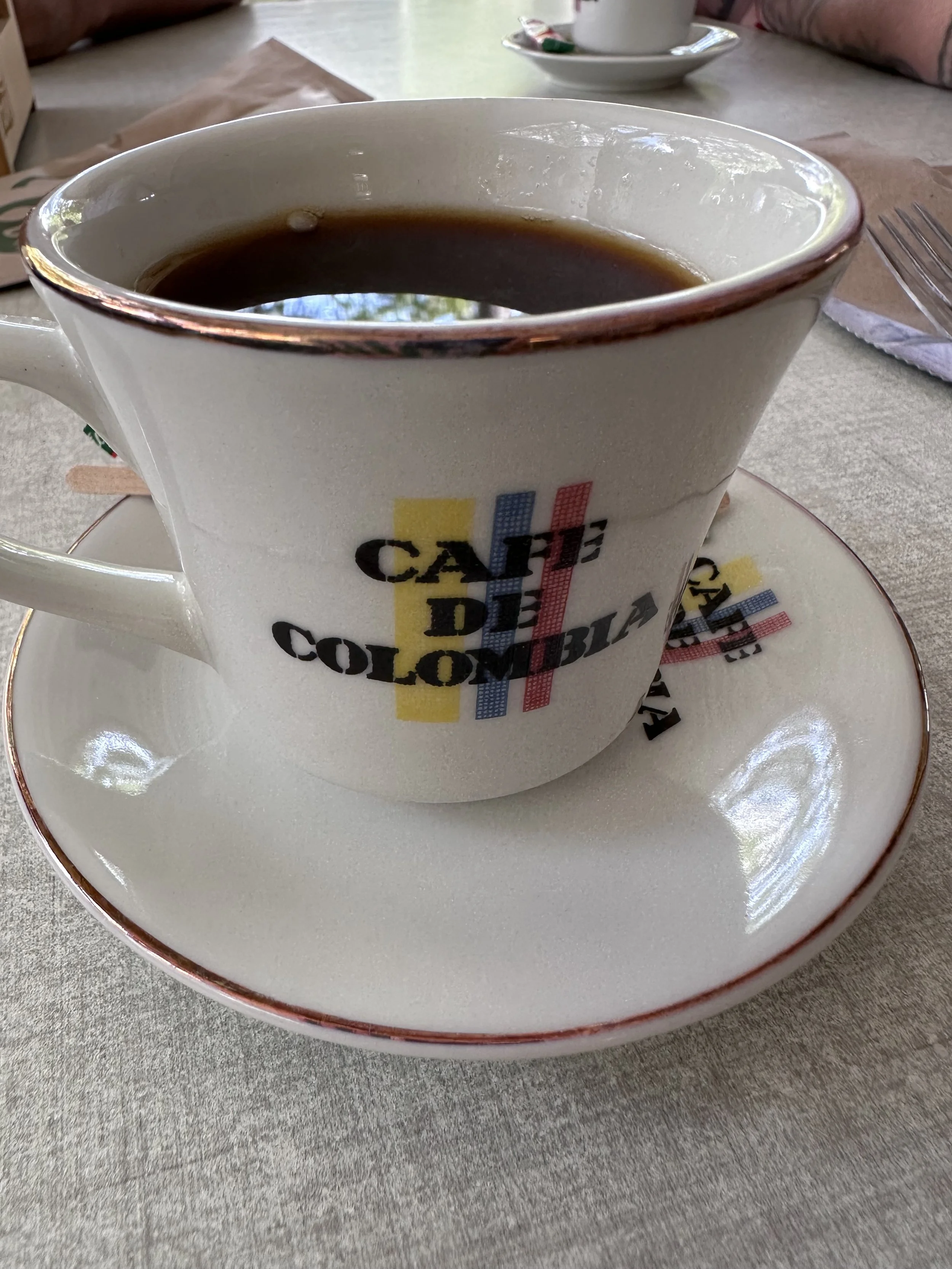
The Coffee Opportunity
Coffee will be part of the Rose Import sourcing network.
As relationships develop, selected Colombian coffee may eventually become available for resale through Rose Import’s trusted sourcing network.
This allows students, entrepreneurs, and small businesses to learn not only how coffee is grown, but how it can be evaluated, branded, priced, and brought to market.
The coffee project gives Rose Import LAB a practical bridge between education and real trade.
Why Colombia
Colombia is one of the world’s most important flower-growing countries.
Its mountains, climate, agricultural knowledge, and export infrastructure make it a powerful place to study how products move from farm to global markets.
Rose Import LAB uses Colombia as a real-world classroom where students and entrepreneurs can observe how value is created before a product ever reaches the customer.
A Living Classroom
The Colombia Farm Project gives Rose Import LAB something most online education programs cannot offer:
a real business and agricultural system being built in real time.
Students will be able to follow the development of the project as we learn from growers, farmers, exporters, logistics partners, and market participants.
Instead of studying business only through theory, students observe how ideas become relationships, how relationships become opportunities, and how opportunities become products.
Current Stage
The Colombia Farm Project is in its early development stage.
We are currently building relationships, studying possible growing locations, exploring coffee partnerships, and documenting what it takes to create a responsible sourcing network from the ground up.
Rose Import LAB students will be invited to follow this process as part of their learning experience.
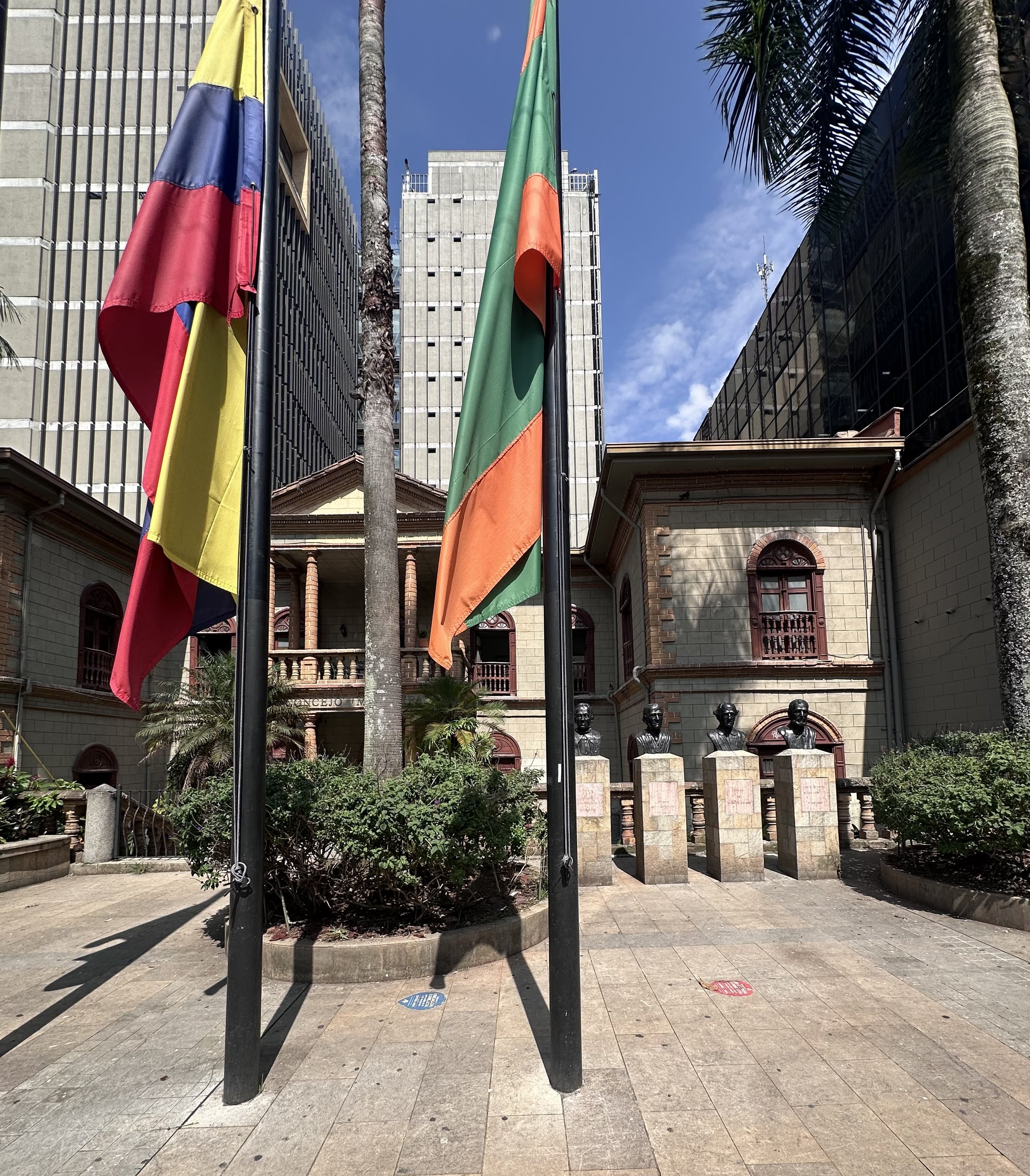
Envigado - Zona centro, March 3rd, 2026. The Colombian national flag and The flag of Envigado. Green represents Antioquia identity and region’s traditions. Orange represents energy, strength, and dynamism.
Rose Import LAB™ Colombia visit

Our Rose Research Vision
The long-term goal is to support the development of a rose variety that can be grown with dramatically reduced chemical inputs while maintaining beauty, strength, consistency, and commercial quality.
Our highest vision is a rose that is more disease-resistant and suitable for organic or near-organic production at a larger scale.
This is a long-term research and growing goal.
It will require time, observation, partnerships, testing, and humility.
Rose Import is currently in the exploration and relationship-building stage.
Roses Above Coffee
Our long-term vision is to begin growing roses above coffee plantations near Medellín.
This creates a unique opportunity to study flowers, coffee, soil, climate, elevation, labor, and sourcing relationships together.
The farm project is not only about growing roses.
It is about understanding how agricultural systems work, how products are developed, and how future sourcing networks can be built responsibly.
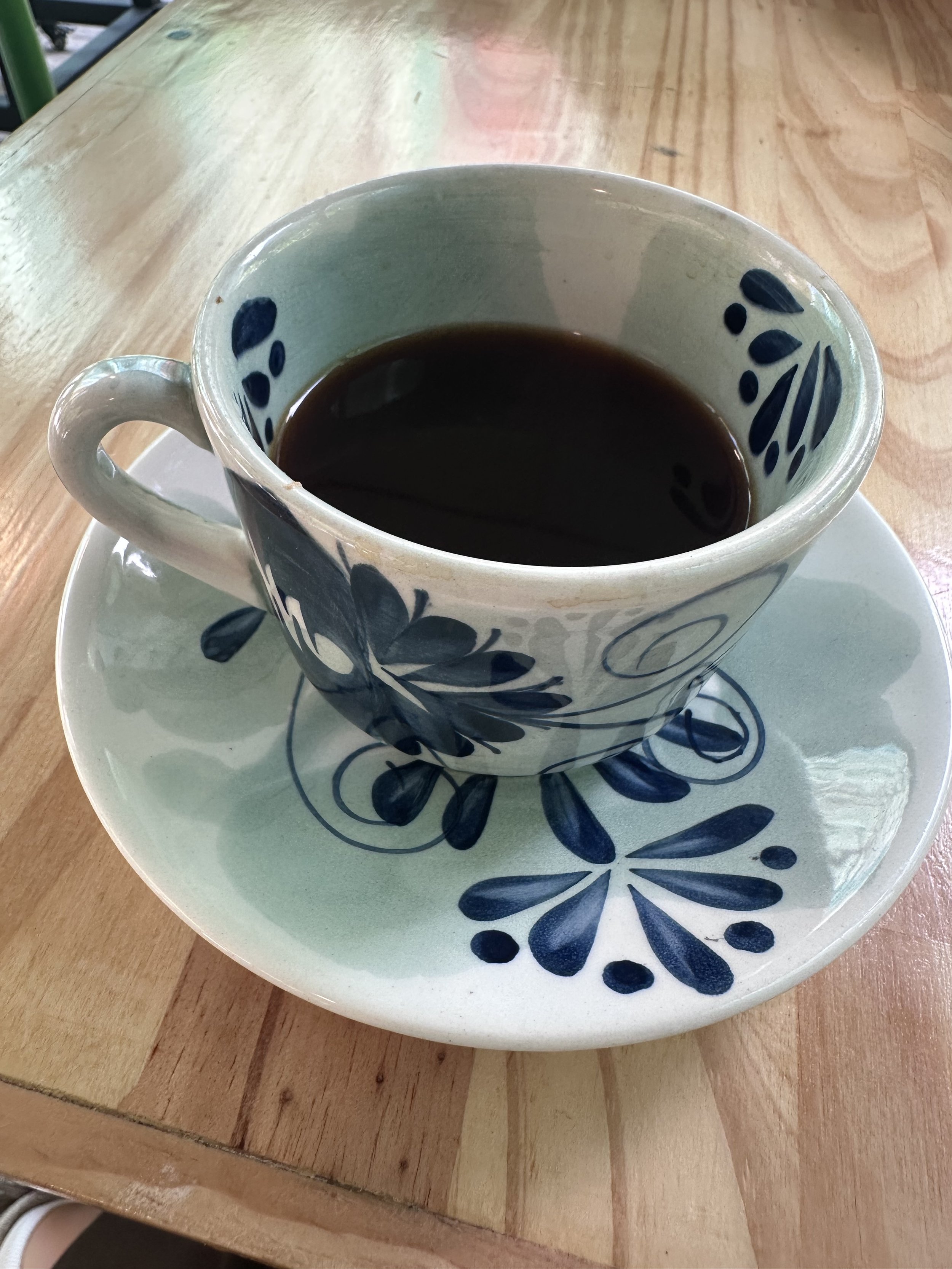
Medellin, Villa Carlota, March 2nd, 2026.
Rose Import LAB™ field visit to Colombia.
A Living Laboratory in The Colombian Andes
What Students Will Explore
Students will learn how roses, coffee, and botanical products connect to larger systems of trade.
They will explore sourcing, quality, pricing, logistics, branding, sustainability, and market demand through real examples from Colombia.
The goal is not just to understand agriculture.
The goal is to learn how to see opportunity inside a system.

Follow the Farm Project
Rose Import LAB students and founding participants will be the first to follow the Colombia Farm Project as it develops.
This is not just a course.
It is a front-row seat to a company, a sourcing network, and an agricultural vision being built in real time.
Rose Import LAB™ collaborates with a coffee farm located in Montobello, Vereda el Socorro.
This is where we begin experimenting with rose cultivation and documenting the development of a new Colombian garden rose. Each Rose Import LAB™ cohort can participate in real-world decisions—from evaluating plant performance and analyzing bloom characteristics to exploring negotiation strategy, partnership development, and international trade.
Over time, students follow how an idea moves from the field to the marketplace, learning that biology and business are both living systems shaped by observation, relationships, and informed decision-making.
Long-Term Vision
The long-term vision is to build a trusted Colombia-based sourcing and education platform connected to roses, coffee, cacao, and botanical products.
Rose Import begins with roses because they reveal so much about beauty, labor, logistics, agriculture, and global trade.
From there, the network can expand into other products with the same care, curiosity, and respect for the people behind them.