
How Roses Create New Life: Pollination, Seeds, and the Art of Cloning
When we admire a garden rose, it is easy to forget that we are looking at a living organism participating in an ancient cycle of reproduction, adaptation, and renewal.
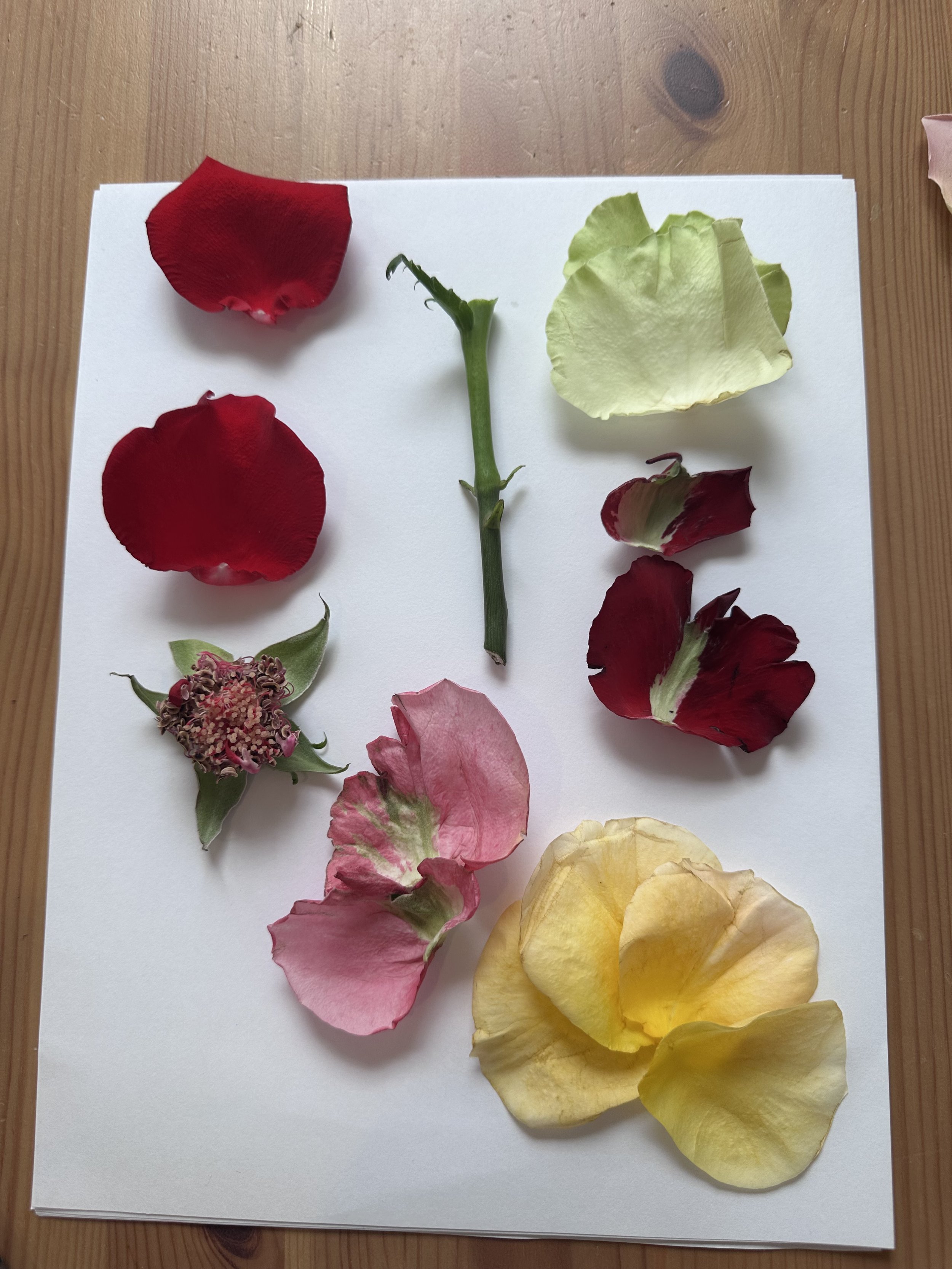
Early Rose Import LAB™ Bloom studies
Every bloom holds two different possibilities. One path leads to something entirely new. The other preserves the past.
The Natural Process of Rose Pollination
At the center of every rose are its reproductive structures. The stamens produce pollen, while the stigma receives it.
In nature, bees, butterflies, beetles, wind, and even the movement of the flower itself can transfer pollen from one bloom to another. Some species of roses can also self-pollinate if cross-pollination does not occur.
Once a pollen grain reaches the sticky surface of the stigma, it begins a remarkable journey. The pollen grows a microscopic tube down into the flower's ovary, where fertilization takes place.
If pollination is successful, the petals eventually fall away, and the base of the flower begins to swell into a seed pod known as a rose hip.
Inside each rose hip are seeds containing the genetic instructions for entirely new plants.
Every Seed Is a New Individual
Planting a rose seed is much like welcoming a new member into a family.
Just as children inherit traits from both parents while developing their own unique characteristics, each rose seed carries a distinct combination of genes.
The resulting seedling may inherit its fragrance from one parent, its color from another, and perhaps reveal traits that have remained hidden for generations.
Modern garden roses are especially complex because they have been selectively bred over many decades. As a result, seeds collected from a beloved rose rarely produce plants identical to their parent.
A seed from a pale pink rose may bloom yellow, white, or deep crimson. It may have a stronger fragrance, more petals, or a completely different growth habit.
Each seedling represents a new genetic possibility.
This is why rose breeders evaluate thousands of seedlings to discover a single exceptional variety.
How Rose Breeders Create New Varieties
Breeders often guide pollination rather than leaving it to chance.
To create a new variety, they select two parent roses with desirable characteristics, such as fragrance, disease resistance, color, or vase life.
Before a flower opens, breeders carefully remove its pollen-producing anthers to prevent self-pollination. They then collect pollen from a different rose and gently brush it onto the flower's stigma.
The pollinated flower develops a rose hip containing seeds with a unique genetic combination.
After harvesting, cleaning, and germinating the seeds, breeders grow and observe the resulting seedlings. Most do not become commercial varieties.
Only the plants with desired characteristics move forward.
How Breeders Preserve a Rose Forever
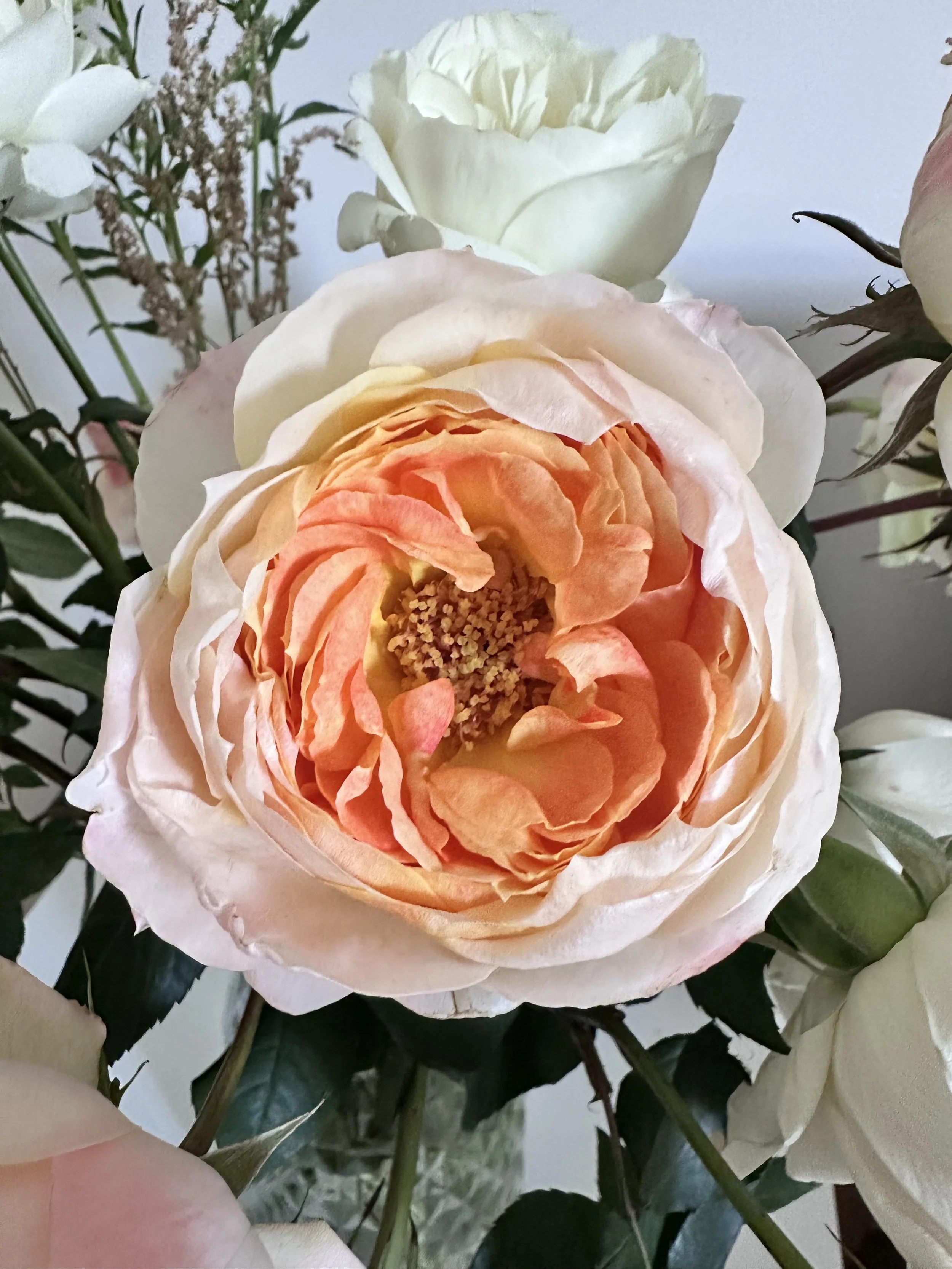
A cloned Garden Rose variety
Once a breeder discovers an exceptional rose, planting its seeds is no longer an option.
Seeds create variation. To preserve a variety exactly as it is, breeders use cloning.
The most common method is called budding, a form of grafting.
A single bud from the selected rose is inserted into the stem of a compatible rootstock with strong roots and desirable growing characteristics. Once the bud heals and begins to grow, it develops into a new plant that is genetically identical to the original.
Some roses are also propagated from cuttings, where a stem is rooted directly to create a clone.
Every rose sold under a specific variety name—whether it is Miyabi™, Constance™, or another cultivated variety—is a clone of the original plant selected by the breeder.
How Long Can a Rose Clone Live?
A rose clone can continue indefinitely.
Because each new plant is created from living tissue taken from the previous generation, there is no fixed lifespan for the genetic line itself.
As long as healthy material is propagated and growers continue to care for it, a rose variety can survive for centuries.
Many heritage roses growing in gardens today are genetically identical to plants cultivated hundreds of years ago.
Individual plants may age, become diseased, or die, but the clone lives on through each new generation.
In this way, a rose variety exists as a continuous living lineage.
A garden rose you encounter today may have traveled across continents and through thousands of individual plants, yet genetically it remains the same flower first selected by its breeder decades ago.
At the same time, every rose hip contains the possibility of something entirely new.
The story of the rose is both one of preservation and transformation: a delicate balance between honoring what already exists and creating what has never existed before.
