
Welcome To Rose Import LAB™
Lesson 1
-
Welcome To Rose Import LAB™ Lesson 1 -
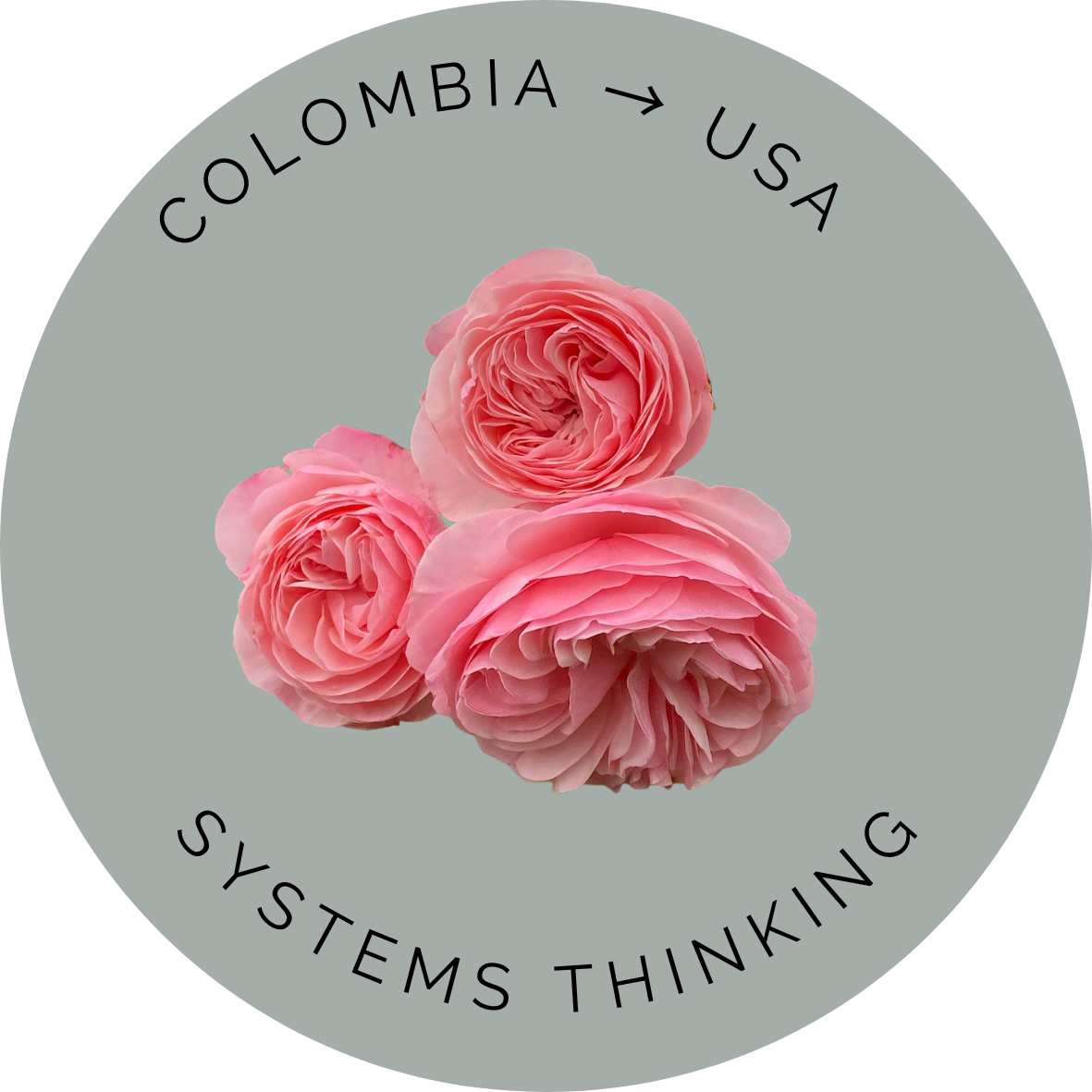

Geometry, form, and petal architecture of 'Tsumugi,' a rose variety developed by Wabara and grown by Alexandra Farms in Colombia. Observed during a Rose Import LAB™ bloom study, May 2026.
Follow the Rose — Learn to See Systems
Before you begin:
Look around the room you are in.
Choose one object.
Ask yourself: How many people, countries, systems, and decisions were required for this object to reach me?
Every product you use has traveled through invisible layers of labor, movement, timing, and decision-making before it reached you. This lesson is about learning to notice them.
Using a rose as a lens, you’ll begin noticing how something simple connects to agriculture, logistics, labor, design, emotion, and culture.
Through the week, notice roses in everyday life. Document your observations, journal freely, and reflect on origin, value, and what remains hidden.
Over time you may begin noticing patterns you previously overlooked—how value moves, how beauty is constructed, and how systems quietly shape everyday life.
When you begin to see systems clearly, you also begin to understand where value is created, where fragility exists, and where opportunity quietly hides.
Lesson 1 — Follow the Rose
Trade is not abstract. It is physical reality moving through systems.
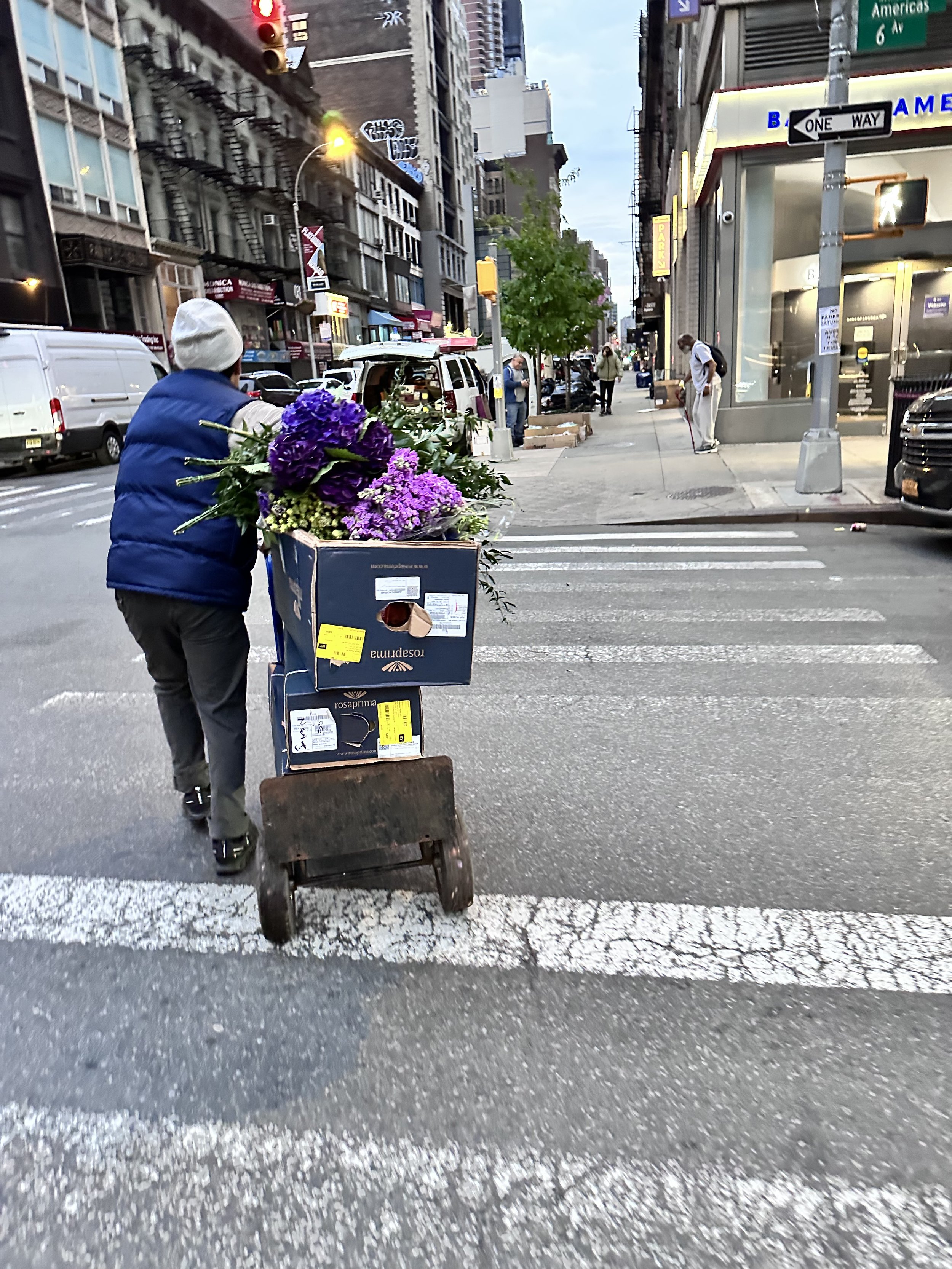
A woman transferring flowers in New York City's historic Flower District, April 2026.
Photo: Rose Import LAB™
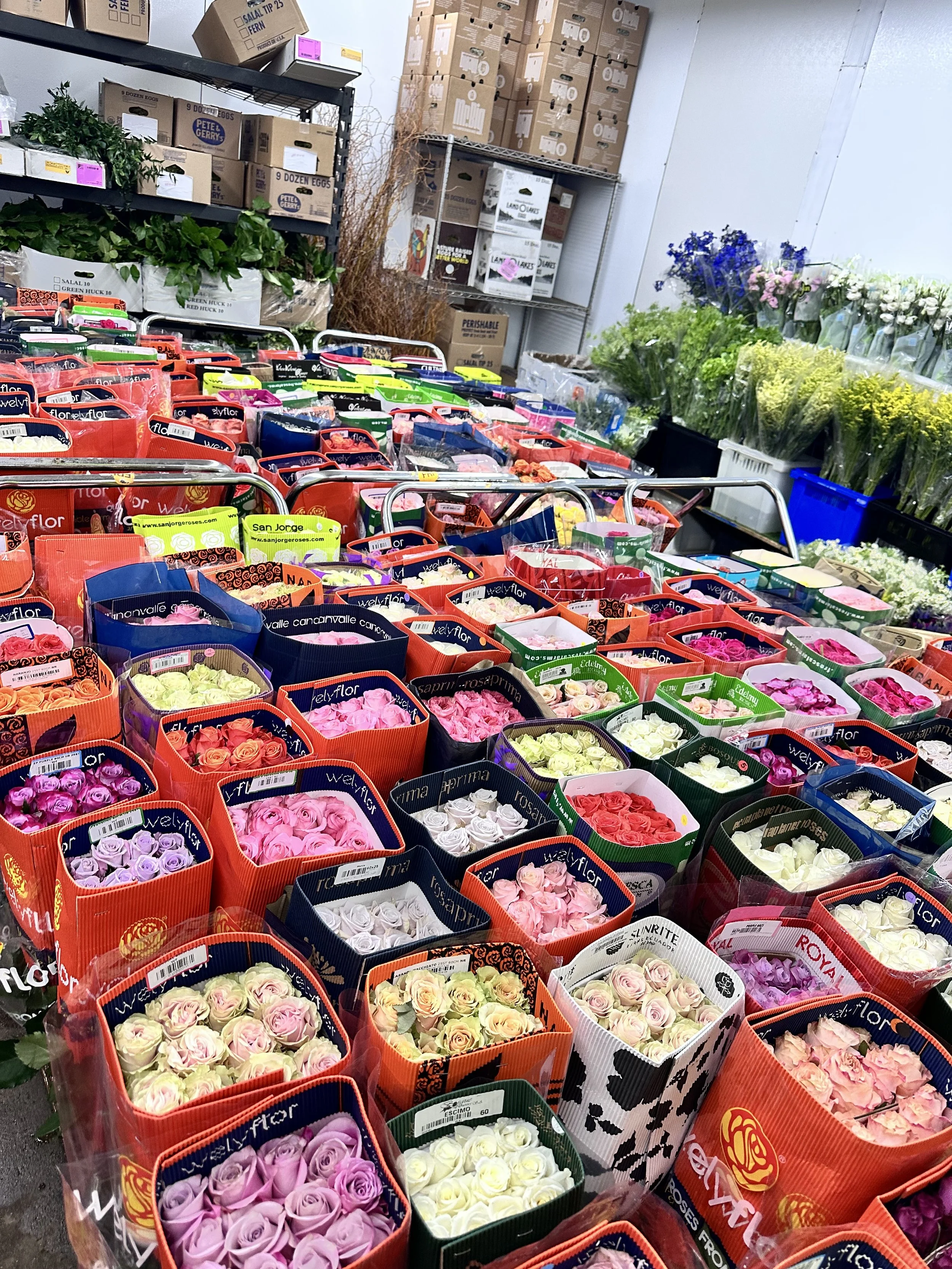
Roses in a cool room at a wholesale, waiting to be picked up, processed and moved through the supply chain and toward the customer.
Every extra hour outside a refrigerator quietly destroys value.
Part: Seeing the System
Every product you have ever used—every product you have ever enjoyed—has moved through systems built by many different people before it reached you.
Sometimes we like to think in terms like “farm-to-table.” It feels simple, local, direct. In that version, you go to a farm, you pick up fresh produce, and that’s it. No complex logistics, no middle layers. The only quality control may have been the farmer selecting the best items.
But even in that simple moment, the system is still there.
The farmer may have used:
Tools manufactured in another country
Fertilizers or pesticides developed on a different continent
Packaging materials sourced globally
So even when something feels local, it is often quietly connected to the wider world.
We are always participating in the global economy—whether we realize it or not.
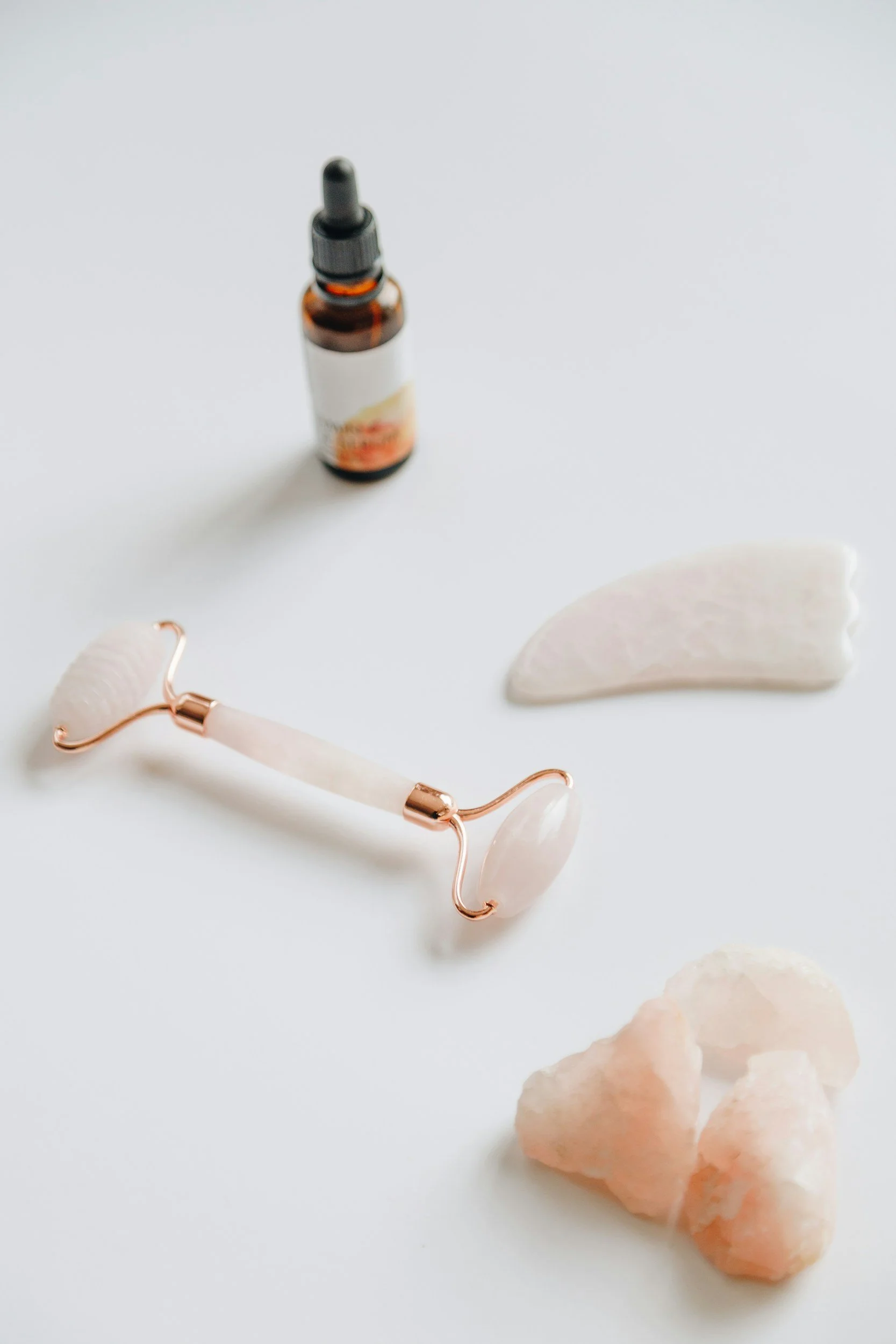
Rose oil can exceed $400 for 5ml. Thousands of rose petals are required to produce a small amount of concentrated oil, transforming fragile flowers into one of the world’s highest-value botanical products.
Seeing Beyond the Surface
The global economy can feel abstract, distant, even complicated.
But something interesting happens when you slow down and look closer.
When you begin to ask:
Who handled this product before me?
What systems made this possible?
Where was value created?
What had to go right for this to exist?
…and when you start noticing the human coordination behind each step—
You begin to understand that even ordinary objects are the result of coordination across people, geography, timing, labor, and risk.
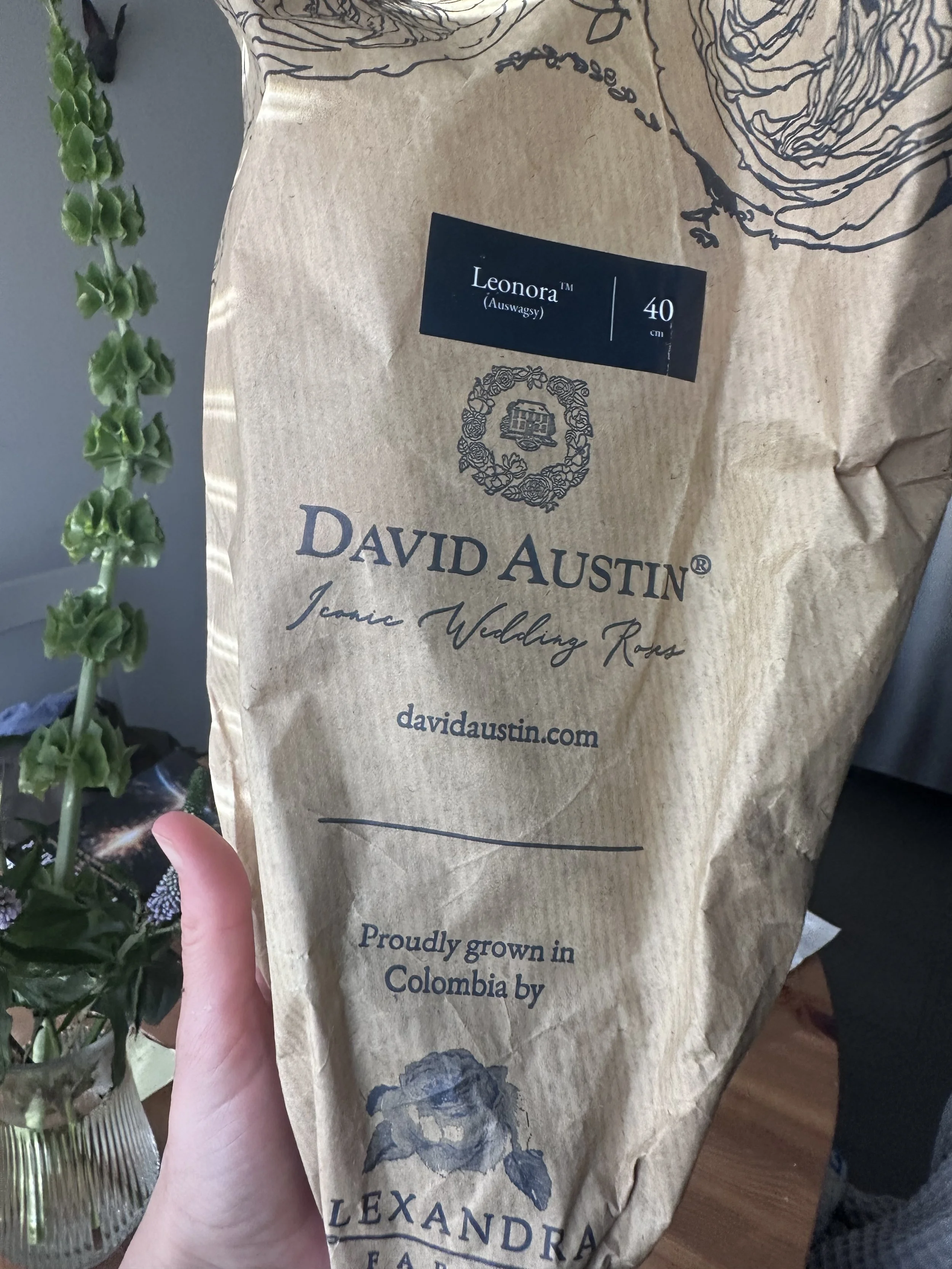
David Austin® garden roses grown at the Alexandra farms in Bogota Colombia.
Where It Begins: The Rose
With roses, everything begins long before the farm.
It begins with breeding—with someone imagining a flower that does not yet exist.
A Story of Resilience
One of the most influential figures in modern garden roses is David Austin.
Today, his roses are known around the world for:
Soft, layered petals
Strong fragrance
A sense of old-world beauty
They are grown by licensed farms in Colombia and Ecuador.
But the story did not begin that way.
David Austin was born on a farm and became interested in flowers at a young age. His father did not support this interest—flowers were not seen as a serious pursuit.
He created his first rose at the age of 34.
At the time, the market was not ready. The industry favored different types of roses, and there were clear gatekeepers controlling what succeeded.
He struggled to get his work recognized.
Still, he continued.
He experimented with hundreds of varieties.
He faced repeated failure.
He kept going.
It took 22 years from his first rose before he received major recognition at the Chelsea Flower Show, where he won multiple awards.
This is resilience.
What It Really Takes to Create a Rose
Creating a New Garden Rose Can Take Over a Decade.
The process includes:
Years of crossbreeding and selection
Climate and disease texting
Propagation trials
Transportation evaluation
Market acceptance
Licensing agreements with farms
This is not instant success. It is long-term commitment.
And that is a useful perspective—not just for trade, but for any kind of meaningful work.
While 20 years may sound like a long time to reach a breakthrough, the journey itself is full of:
Learning
Small discoveries
Moments of progress
It is sustained by curiosity and persistence.
Why Great Products Take Time
Stories like this remind us that meaningful products are rarely created instantly.
Behind many successful products are years of:
• Experimentation
• Refinement
• Failure
• Observation
• Market resistance
• Adaptation
What appears simple at the end often hides years—sometimes decades—of invisible work.
In global trade, timing, persistence, and long-term thinking quietly shape which products survive, evolve, and ultimately succeed.
Years Before the Bloom
David Austin worked differently.
Rather than focusing only on speed or mass production, he spent years experimenting with how roses could look, grow, survive, and perform over time.
Hand Grafting
Hand grafting is a technique where two plants are physically joined together: the rootstock, chosen for strong roots and durability, and the scion, which is the desired rose variety. The plants are carefully cut and bound together so they grow as one plant.
This process allows breeders to combine strength and beauty while improving consistency, survival, and long-term plant performance.
Open Ground Testing
Open ground testing means growing roses outdoors in real environmental conditions rather than controlled environments. The plants are exposed to weather changes, pests, soil variability, and seasonal stress.
This helps breeders identify which roses are truly resilient, which varieties can perform consistently in real-world conditions, and which flowers are strong enough for commercial production and transport.
Before a rose ever reaches a farm in Colombia, before it is cut, packed, shipped, and sold, it has already gone through years of experimentation, observation, failure, and refinement.
Every product begins long before you see it. Behind every product are people making decisions, solving problems, testing ideas, and taking risks.
When you begin to notice that, you are no longer only looking at an object. You are beginning to see the system behind it.
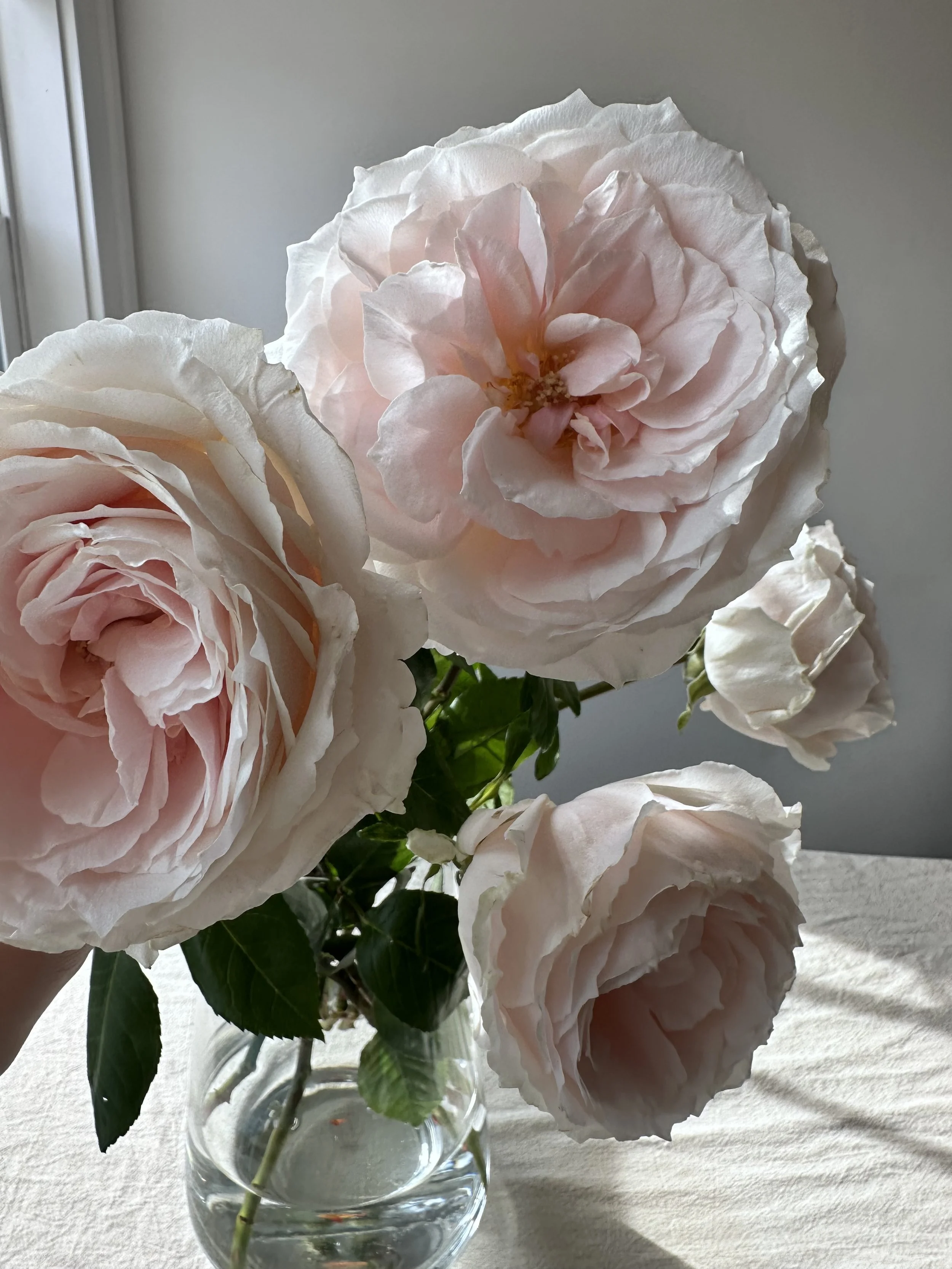
Bloom development study of 'Tsumugi,' a garden rose developed by Wabara and grown by Alexandra Farms in Colombia.
Arrived in New York City on May 1, 2026. Sourced from Empire Cut Flowers in New York City's Flower District on May 3, 2026. Photographed on May 4, 2026, during an intermediate stage of opening after placement in a warm environment with indirect sunlight.
Photo: Rose Import LAB™
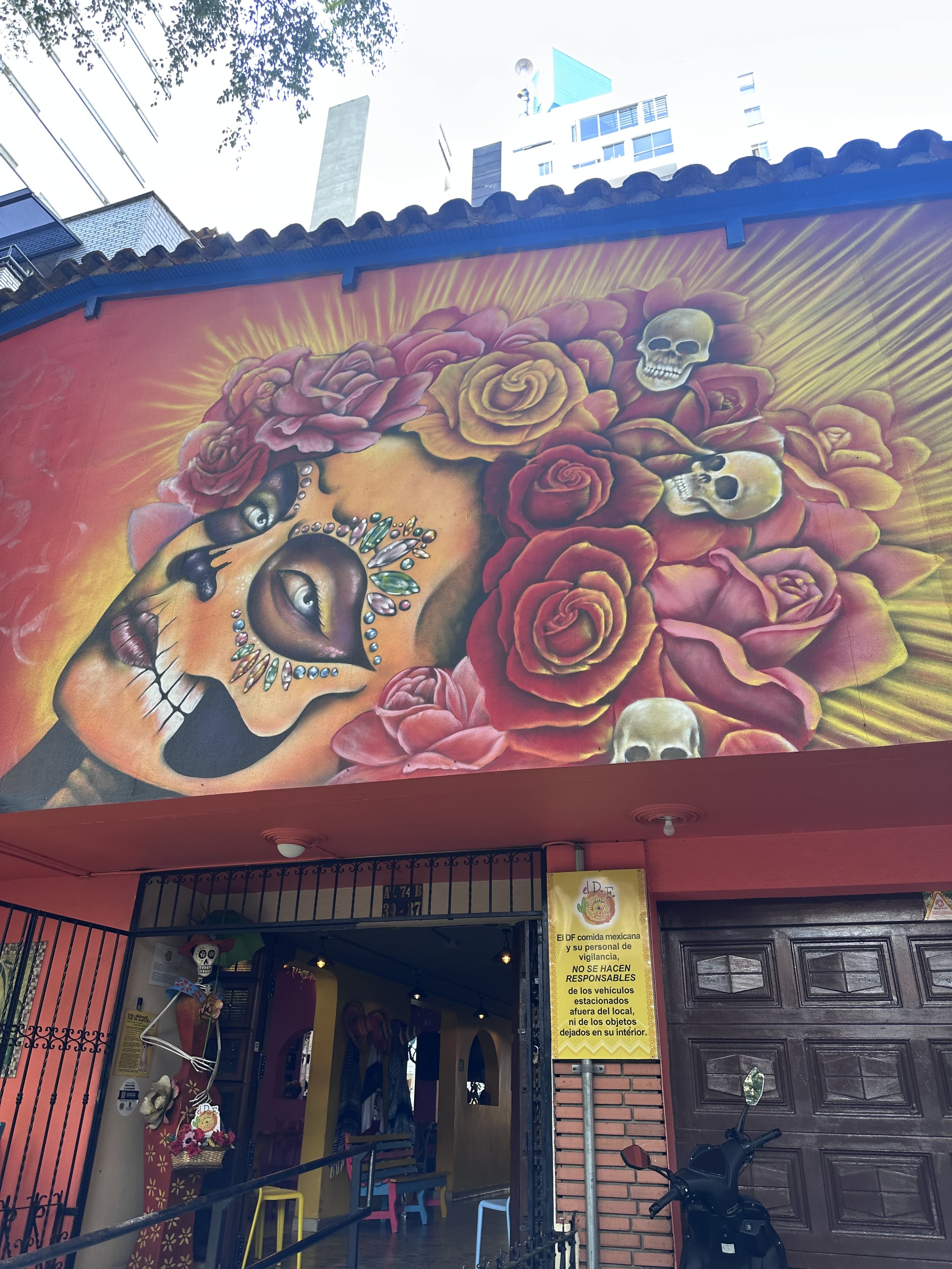
Roses in a mural in Medellín, Colombia, January 2026
Photo: Rose Import LAB™
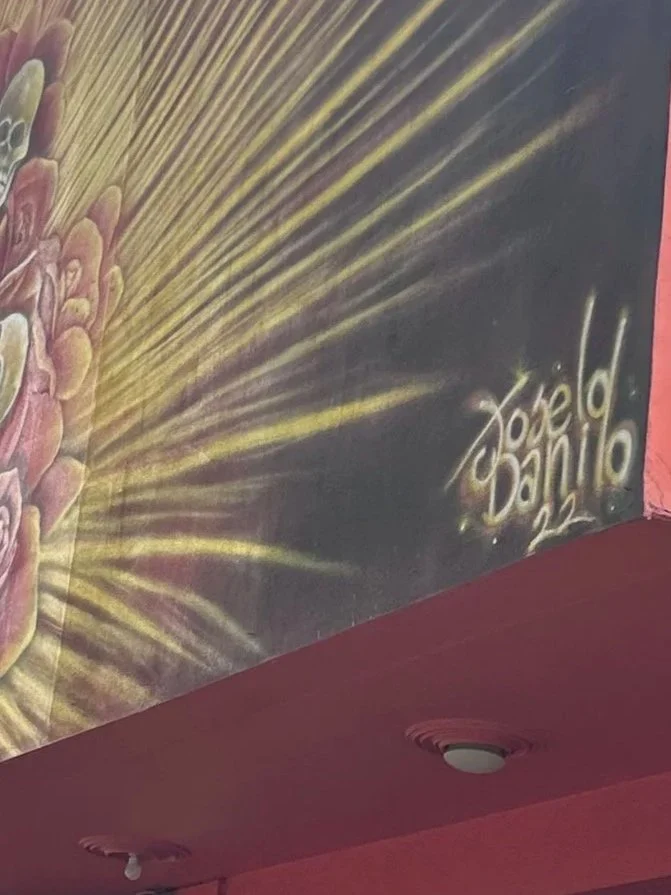
We are currently seeking to identify the artist and will gladly add attribution once confirmed. We believe artists deserve recognition for their work whenever possible.
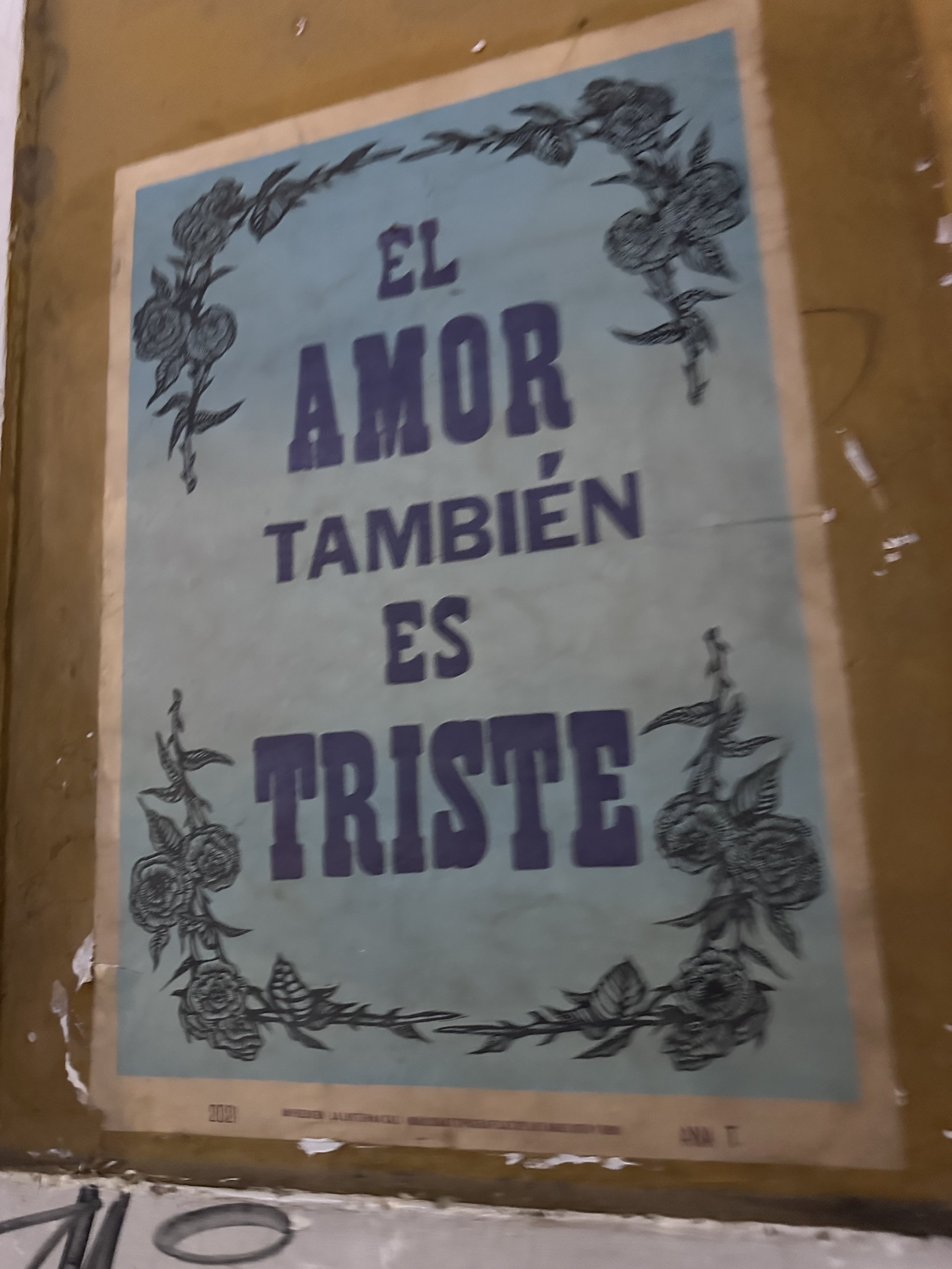
Rose decorated poster spotted in Santa Marta Colombia in April 2026. El Amor también es triste translates to love is also sad.
Photo: Rose Import LAB™
Rose Import LAB™ TASK 1
Throughout the week, begin to notice roses in all forms:
A physical rose
A photo or image
A product (perfume, skincare, food)
A song, poem or cultural reference
A brand or design using roses
Each time you encounter a rose or when it catches your attention:
Take a photo if possible
Add a timestamp
Journal your experience
Free writing as a practice
Write without judgment or filtering, let your thoughts flow freely. Don’t worry about grammar, structure or being “correct”. Just observe and express.
Systems Thinking Layer
After each entry, reflect briefly on:
Origin: Where might this rose come from?
Value: Who is making money from this rose and how?
Hidden Layer: What is not visible here? (labor, logistics, chemicals, branding, waste, etc.)
Driven by curiosity and built on purpose, this is where bold thinking meets thoughtful execution. Let’s create something meaningful together.
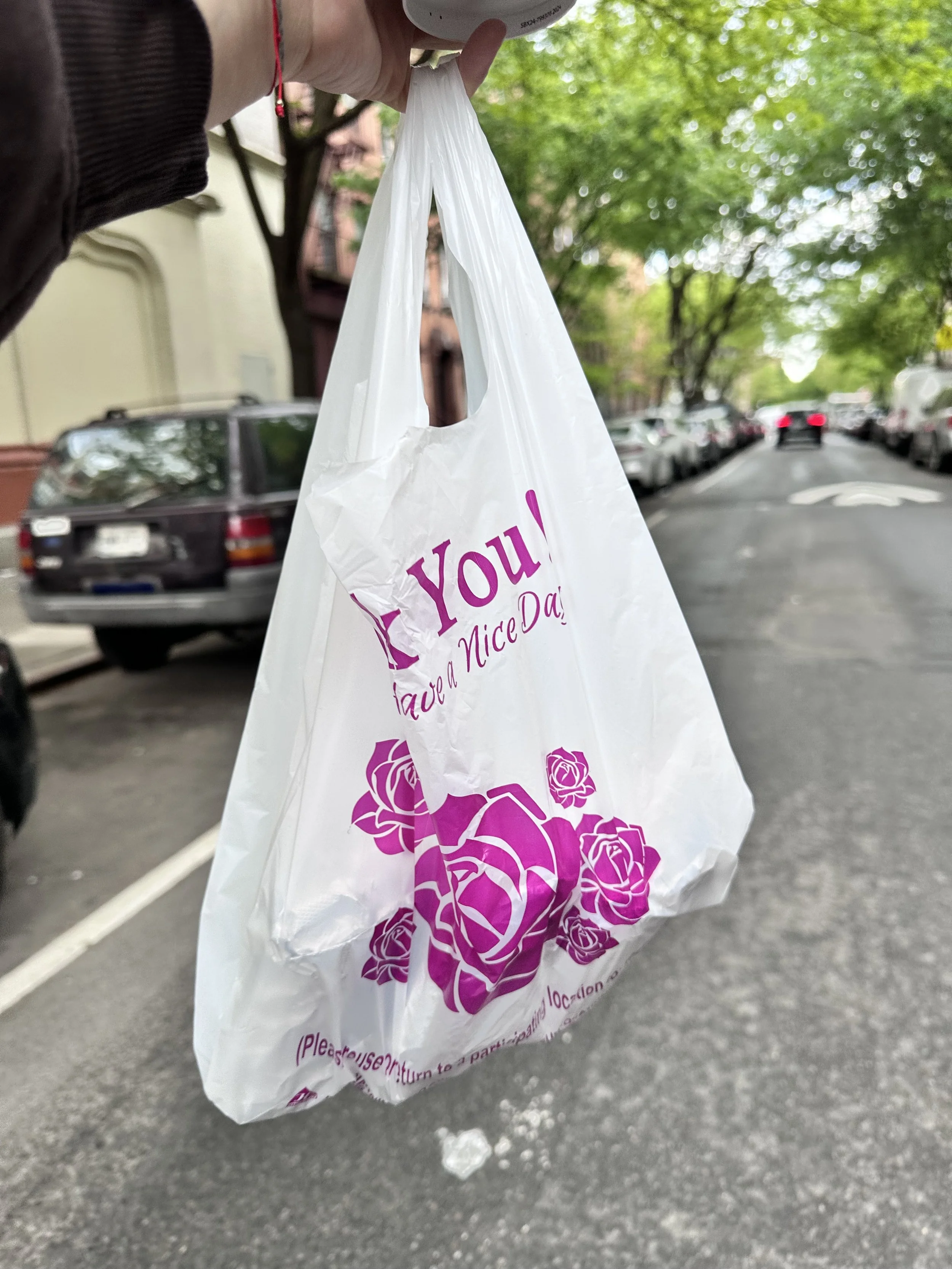
Bag decorated with roses from a bodega in Spanish Harlem, May 2026
At the end of the week, reflect on your observations:
Pattern Recognition: What patterns did you notice across different roses?
Perception shift: How has your perception of roses changed? List three specific shifts
System awareness: Describe the journey of a rose: origin→movement→sale→experience
Opportunity insight: Where do you see: inefficiency, waste, untapped value?
Rose is never just a rose. It is a system, a story and a signal.
Optional: For personal feedback email a summary of your journaling to heidi@roseimport.com
To join the founding cohort, a four week exploration of roses and global trade, sing up here…