How altitude influences the rose business, the hidden clock behind a rose
Have you noticed how some roses feel denser, last longer or are simply different? This is due to the growing conditions. In Colombia and Ecuador, roses are grown at high elevations in the Andes Mountains. And altitude quietly controls the entire rhythm of growth.

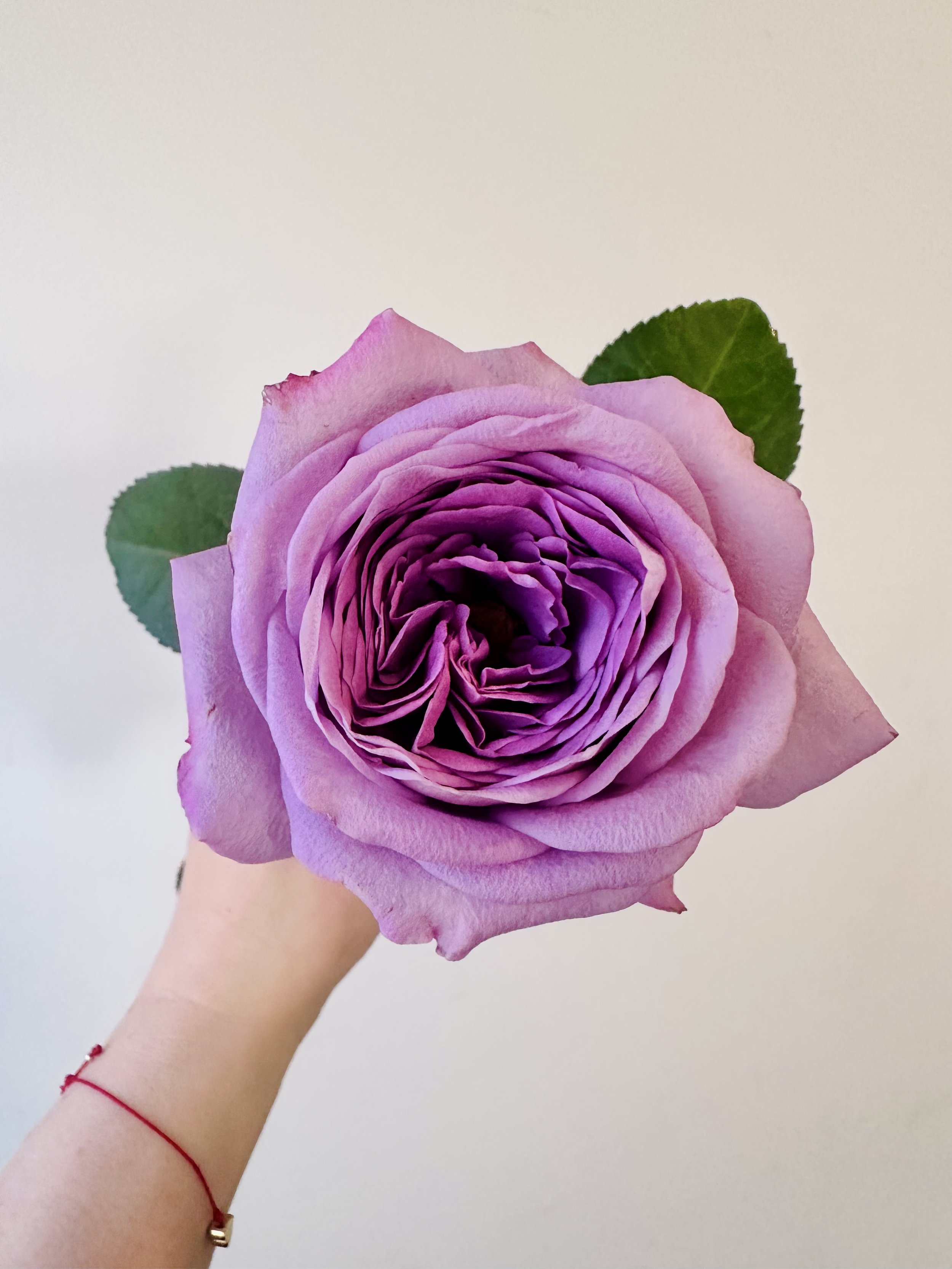
Lavender Bouquet®, picture from Rose Import LAB™ bloom study.
The Timeline of a Rose
In Colombia (around 2,200-2,600 meters elevation), roses typically grow in about 65-75 days.
In Ecuador (Often 2,800-3,000 meters), the same rose can take 90-110 days.
The higher the altitude, the slower the growth.
Why Does This Happen?
At higher elevations temperatures are cooler, sunlight is intense but the heat is lover, which slows down the plant’s metabolism. This slower growing phase allows the rose to develop larger heads, build thicker petals and hold more structure for longer. This makes all the difference between fast growth and refined growth.
Why Colombia Still Wins the Frame
The shorter growing cycle makes Colombia ideals for innovation –testing varieties, refining products, and building something proprietary over time. It is not about growing the slowest rose. It is about growing the one you can scale, trust, and deliver–every single time.
At 2,400 meters, roses grow faster than at extreme altitudes, but still slow enough to develop strong structure and color. That balance created something powerful: predictability.
Faster cycles allow fresher roses to reach the market. A stable climate produces consistent quality with fever surprises. Efficient export routes via Medellín and Bogotá improve the real-world performance after harvest.